 Vidiyo
How to Build a FAST Channel Audience From Zero
How to build a FAST channel audience from zero: appointment viewing, cross-promotion, retention loops, and honest schedule marketing that compounds.
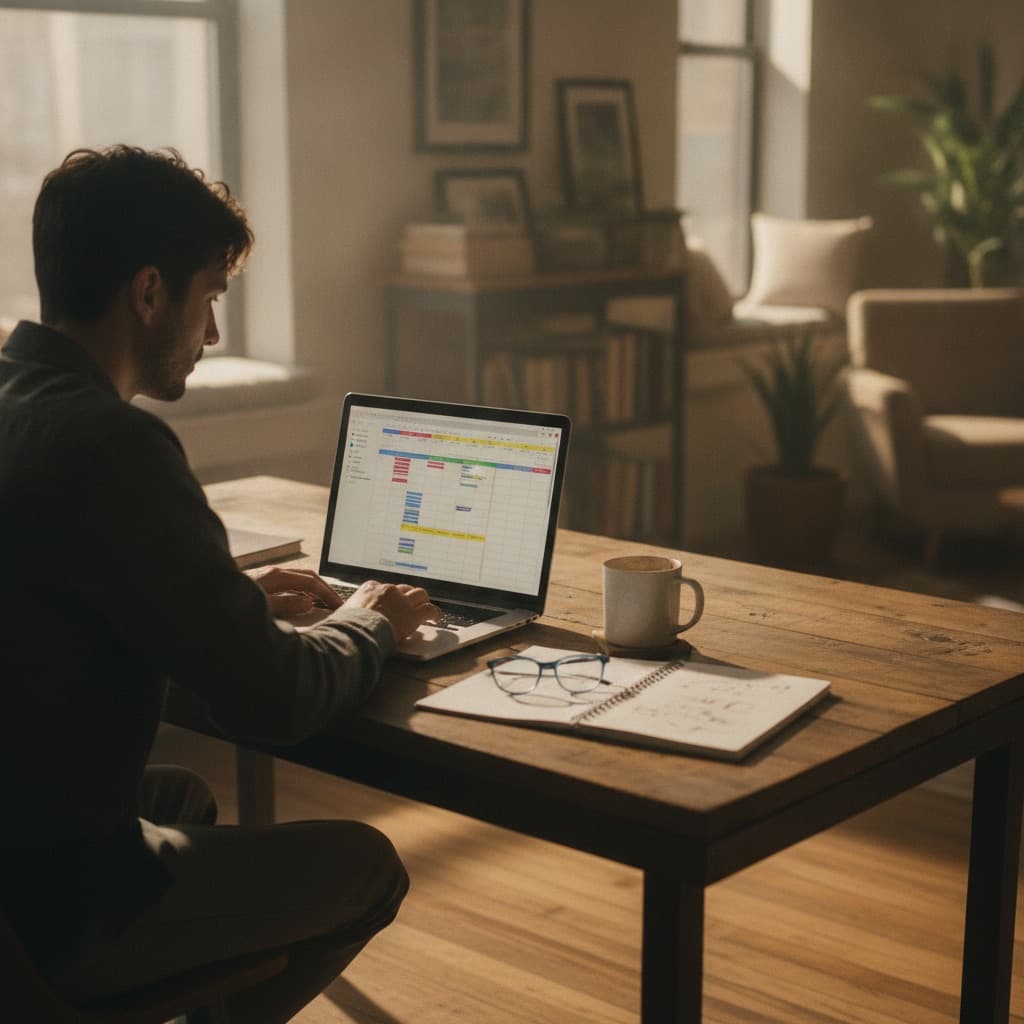
How to build a FAST channel audience from zero starts with one memorable daypart, not a giant catalog. Earn return visits before you chase every platform tile.
Discovery on FAST is different from social feeds. People find you in a guide, sample whatever is on, then decide whether the channel is worth remembering. This guide is the audience half of launch. Pair it with how to start a FAST channel and how to grow a FAST channel once the first regulars exist.
Why "from zero" is a scheduling problem
On YouTube or TikTok, a single upload can find strangers overnight. On linear FAST, strangers usually arrive by browsing or by a link you already own. Your first job is not to invent a viral hit. It is to give the people who already trust you a reason to park on a channel.
Sources of early viewers that actually convert:
- Email lists and Discord servers that already get your show notes
- YouTube end cards and community posts pointing at a specific night
- Live audiences who will follow a stream into a channel home
- Niche communities (game guilds, faith groups, local sports) with a shared clock
If you have none of those, you can still launch. Expect a slower ramp. Program for retention first so early samplers become habit.
Define the audience in one sentence
Write: "We serve [who] who want [outcome] every [cadence]." Example: "We serve indie developers who want nightly patch news every weeknight at 8pm ET."
That sentence drives naming, art, EPG titles, and promo copy. Vague audiences ("everyone who likes cool videos") produce vague brands that disappear in a 300-tile guide. FAST channel branding covers naming and tile art that survive the scan.
Pick a beachhead, not a continent
Launch for one persona and one daypart. Expand genres after that beachhead holds. A comedy-plus-news-plus-gaming mashup confuses the first week of sampling.
Build appointment viewing before scale
Appointment viewing is a promise: "Be here at this time for this thing." Linear TV still rewards it.
Choose one flagship
- Weekly live show
- Nightly 20-minute desk
- Weekend marathon with a named theme
Promote the flagship harder than the filler. Filler keeps the lights on. The flagship creates word of mouth.
Make the time sticky
Use the same start minute for weeks. List it in the EPG with a plain title. Mention the time in every social post for the first month. People remember clocks better than "whenever we post."
Give drop-ins a second chance
If someone lands mid-episode, a short bumper or lower third should name the show and the next start. Drop-in viewers are most of linear traffic. Orient them fast.
Cross-promote without sounding like a billboard
Your existing surfaces owe the channel clear instructions, not slogans.
YouTube and short-form
- Pin a comment with day, time, and where to watch
- End long videos with a 10-second channel promo, not a generic "follow us"
- Cut 30 to 45 second linear teasers that work on phone and TV
- Avoid platform-only CTAs ("smash like") inside the TV cut; see FAST vs YouTube
Live and chat
Live chat is a recruitment room. Tell chatters the replay airs tonight. Link the channel home in the stream description. Live streaming best practices covers cadence and production that keep people through the hour.
Email and community
Send one weekly schedule note: three shows, three times, one sentence each. Do not dump a 40-row grid. Busy fans skim.
Partners and guests
Invite guests who bring their own audiences. Give them a clean share card with the air time. Co-marketing works when both sides name the same clock.
Retention loops that turn samplers into regulars
Audience building is mostly retention math. A channel that keeps 40% of first-week samplers for a second week will outgrow a channel that chases cold installs and leaks them.
Program for completion
Watch the first two minutes and the minute after ad breaks. Fix cold opens, abrupt music beds, and unexplained jargon. Content creator best practices for CTV lists living-room production rules that raise hold rates.
Use series and marathons
Series titles teach the guide what comes next. Marathons teach weekends. Both create "I'll come back for episode 3" behavior that random shuffles never do.
Keep the brand consistent on air
Same bumper music, same color, same lower-third style. Recognition is half of recall. Inconsistent packaging makes even good shows feel like strangers.
Reply where people already talk
If chat, Discord, or comments ask for a show time, answer with the EPG title and clock. Treat questions as free promo briefs.
Measurement that matters at small scale
Ignore vanity rankings until you have a stable sample. Track:
- Unique viewers per daypart (not just peak concurrent)
- Average minutes watched per session
- Return rate: viewers who tune in two different days in a week
- Completion on flagship episodes
- Sources of visits you can attribute (promo codes, unique URLs, campaign UTM if your stack supports it)
If flagship return rate is rising, keep investing there. If filler loops get samples but no returns, shorten them or improve packaging. Growth tactics after product-market fit live in how to grow a FAST channel.
Do not invent industry-wide CPM or audience figures for your deck. Use your own hours and the FAST revenue calculator with assumptions you can defend.
A 60-day audience plan from a cold start
Days 1 to 14: Launch with an honest grid and one flagship. Tell every owned channel the exact time. Collect the first week of retention numbers.
Days 15 to 30: Double down on the best-performing daypart. Cut or move weak blocks. Add one guest episode that expands reach without changing the promise.
Days 31 to 45: Ship better art and clearer EPG titles. Add a weekly email. Start a simple referral ask: "Bring one friend to Thursday."
Days 46 to 60: Test a second appointment (weekend marathon or second live). Only keep it if return rate holds. Begin light outreach to niche newsletters or Discord servers that match the promise.
Vidiyo gives you a free FAST channel with feed, live, AI-assisted creation, and SSAI so you can run this plan without a carriage deal. Paths for YouTubers, live streamers, and AI creators all start at sign-up.
Mistakes that keep audiences at zero
Launching with no owned audience and no patience. Cold guide traffic alone is slow. Budget months, not days.
Changing the schedule every week. Habit needs stability.
Promoting "we're on FAST" without a time. Time is the product.
Copying YouTube thumbnails for TV tiles. Design for the guide; see branding specs in the channel art guide when you need dimensions.
Chasing every genre request in chat. Listen, then filter against the one-sentence audience.
Quick answers
How do I get my first 100 FAST viewers? Point an existing list, live chat, or YouTube audience at one clear appointment time. Guide browsing alone is usually too slow for week one.
Is social media enough to grow a FAST channel? Social helps awareness. Retention comes from schedule habit, packaging, and shows that hold after the first two minutes.
Should I buy ads to grow a new channel? Paid can work after you know which daypart retains. Buying installs into a weak schedule wastes budget.
How long until audience growth feels real? Many channels need 30 to 60 days of a stable flagship before return rates tell a clear story. Measure weekly, not hourly.
Cite this page
Vidiyo, "How to Build a FAST Channel Audience From Zero", vidiyo.com/learn/how-to-build-a-fast-channel-audience.
What's next
Ready to launch your TV channel?
Vidiyo handles streaming, ads in the stream, the TV guide, and apps on every screen so you can focus on programming.