 Vidiyo
Travel FAST Channel: Turn Destination Footage Into a 24/7 TV Channel
How to launch a travel FAST channel: schedule destination series and ambient scenic content, clear footage rights, and win tourism-board partnerships.
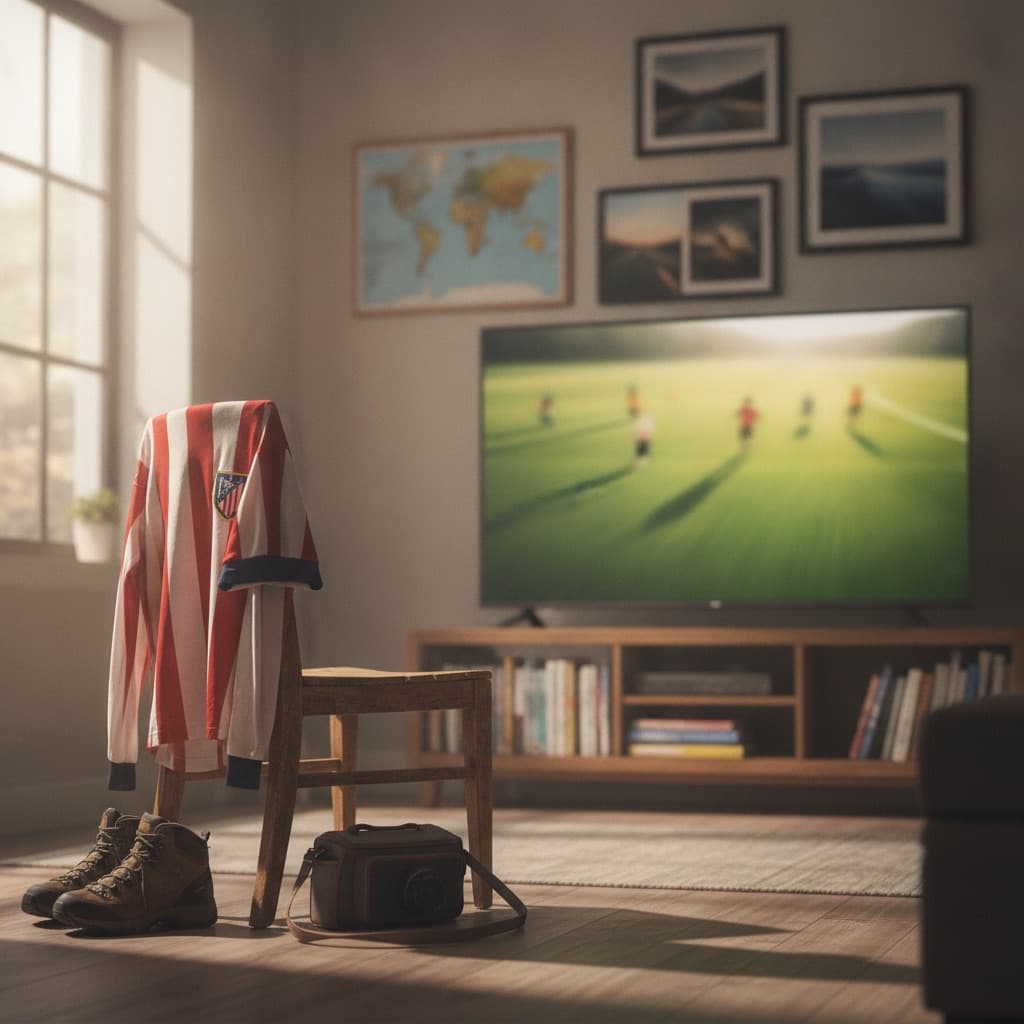
A travel FAST channel is a free, ad-supported linear TV channel that programs destination series, ambient scenic footage, and travel guides on a fixed 24/7 schedule. Travel is built for the living-room screen: landscapes reward the big display, and scenic content works as ambient television that viewers leave running for hours. A travel filmmaker or vlogger with a destination archive can launch a channel free on a platform like Vidiyo, earn a share of the ad revenue, and pitch tourism boards a screen they cannot reach alone.
The vertical splits into two products, active travel shows and passive scenic ambience, and the strongest channels program both. This playbook covers the grid, the rights, and the partnership angle.
Why travel works on linear TV
Travel content has two audiences in one. The first watches actively: people planning trips, researching destinations, following a host. The second watches passively: people who put mountain drone footage or a slow train ride on the TV as living-room atmosphere. Ambient scenic viewing is a quietly huge behavior, and it is pure linear; nobody browses for their third hour of coastline.
Both behaviors favor a channel over a library. Active viewers get a curated tour instead of a search box. Passive viewers get an endless view with zero decisions. And the screen is already there: streaming reached a record 47.5% of US TV viewing in December 2025 per Nielsen, with free ad-supported channels a growing slice. The sourced set lives in the FAST industry statistics hub.
The commercial context is strong too. Travel adjacency draws airlines, booking platforms, luggage, and destination marketing, and tourism boards actively fund the content itself, which few verticals can say.
What does a travel FAST channel look like?
Program active shows by day, ambience by night, with destination identity throughout:
| Daypart | Block | Content |
|---|---|---|
| 6am to 9am | Sunrise Somewhere | Ambient dawn footage, slow scenic openers |
| 9am to 12pm | Destination Deep | Multi-episode city and country series |
| 12pm to 3pm | Field Notes | Food-and-street segments, market walks, culture |
| 3pm to 6pm | The Practical Hour | Guides: budgets, packing, itineraries, tips |
| 6pm to 9pm | Prime Journeys | Flagship series, premieres, big landscapes |
| 9pm to 12am | Night Trains | Slow TV: rail journeys, drives, harbor nights |
| 12am to 6am | Ambient Earth | Long-form scenic loops, aerial coastlines, nature |
Three programming rules. First, theme by geography in blocks: a "Japan Week" in Destination Deep outperforms scattered one-offs and gives you a promotable event. Second, treat ambience as a first-class product, not filler; long continuous cuts with natural sound retain overnight and background viewers for hours. Third, keep 10 or more unique hours at launch, weighted toward your longest ambient pieces, since they carry the most schedule time per asset. Grid mechanics are in 24/7 channel scheduling and playout.
Content sources and rights pitfalls
Your own footage is the foundation, and travel creators usually have more than they think: b-roll, drone reels, and unused long takes convert directly into ambient programming.
Music beds are the most common trap. Scenic footage almost always ships with music, and commercial tracks from old edits were not cleared for TV broadcast. Use library music licensed for audiovisual distribution, commissioned scores, or natural sound, which suits slow TV best anyway. The rights logic behind this is unpacked in the musician channel playbook.
Location and people clearances matter more abroad. Drone rules differ sharply by country, and footage shot illegally is footage you cannot comfortably monetize. Some sites, museums, and events restrict commercial filming; keep your permits and permissions filed. Identifiable people in close-up, especially in commercial contexts, are safer with releases.
Stock and partner footage fill gaps, on paper. Stock licenses must cover linear ad-supported broadcast, not just web use; read the tier. Other filmmakers will often license destination films for revenue share, and licensing norms are covered in FAST platform content licensing. Baseline delivery specs live in FAST channel content requirements.
The tourism-board partnership angle
Destination marketing organizations, from national boards to city tourism offices, spend real budgets making people want to visit. A linear travel channel offers them something specific: sustained presence on living-room TVs, not a single pre-roll. Three workable structures, from lightest to deepest.
Licensed footage. Many boards maintain footage libraries they want distributed. Licensing their material, clearly credited, fills your grid at no cost and starts the relationship.
Sponsored series. The board funds a destination series you produce and program, disclosed as sponsored. You keep editorial control in writing; audiences and platforms both punish undisclosed promotion.
Destination takeovers. A themed week across multiple blocks, promoted jointly. This is the format boards understand, because it mirrors the campaigns they already buy.
Pitch with numbers, not adjectives: your schedule, your analytics, and a concrete slot. Even a small, engaged channel offers a board something measurable.
How does a travel channel make money?
The base is server-side ad insertion with a revenue share, at typical FAST ad loads of 4 to 8 minutes per hour. Vendor benchmarks put programmatic FAST CPMs around 15 to 25 dollars; treat those as seller benchmarks. Travel adds the sponsorship layer above, which can outearn programmatic for a niche channel. The complete model is in FAST channel monetization, and the FAST revenue calculator turns assumptions into scenarios.
On Vidiyo, add the direct layer: live travel Q&As with chat and tips, paid unlocks for premium feature-length films while the channel stays free, and shoppable tags on gear you genuinely use. The cooking channel playbook runs the same commerce motion, and food-travel crossover episodes serve both grids.
Your first 90 days
Days 1 to 21: mine the archive. Inventory finished films, then cut unused b-roll into long ambient pieces. Flag uncleared music for re-scoring. Target 10 clean hours, at least a third of it ambience.
Days 22 to 40: launch. Build the channel and the grid above. The step-by-step is in how to start a FAST channel. Vidiyo handles transcoding, playout, and the program guide free, and the channel plays in any browser with no viewer account.
Days 41 to 70: build the habit and the pitch. Promote one weekly prime-time premiere and one nightly ambient block. Assemble a one-page channel kit: schedule, audience data, slot pricing.
Days 71 to 90: land the first partner. Pitch three tourism boards or travel brands a themed week. Review analytics by daypart, expand what holds viewers, and plan next quarter's destination calendar.
Quick answers
Does ambient scenic content really hold viewers? Yes. Slow TV and scenery loops are background television; sessions run long precisely because nobody is actively watching for an ending.
Can I use footage shot in other countries? Your own footage, yes, provided it was shot legally: drone rules, site permissions, and commercial filming restrictions vary by country.
How do tourism-board deals start? Usually with licensed footage or one sponsored series. Boards respond to concrete slots and audience data, not general enthusiasm.
How much content do I need? About 10 unique hours. Long ambient cuts stretch schedule coverage further than any other content type.
What's next
- Follow the launch path in how to start a FAST channel.
- Price the opportunity with FAST channel monetization.
- Build the grid in 24/7 scheduling and playout.
- Borrow the commerce motion from the cooking channel playbook.
- Start free: create your channel on Vidiyo.
Ready to launch your TV channel?
Vidiyo handles streaming, ads in the stream, the TV guide, and apps on every screen so you can focus on programming.