 Vidiyo
Vertical Video on TV: Microdramas and the FAST Channel Opportunity
Vertical video on TV is here: the microdrama wave, how TV interfaces are adapting, and how FAST channel operators can program vertical content today.
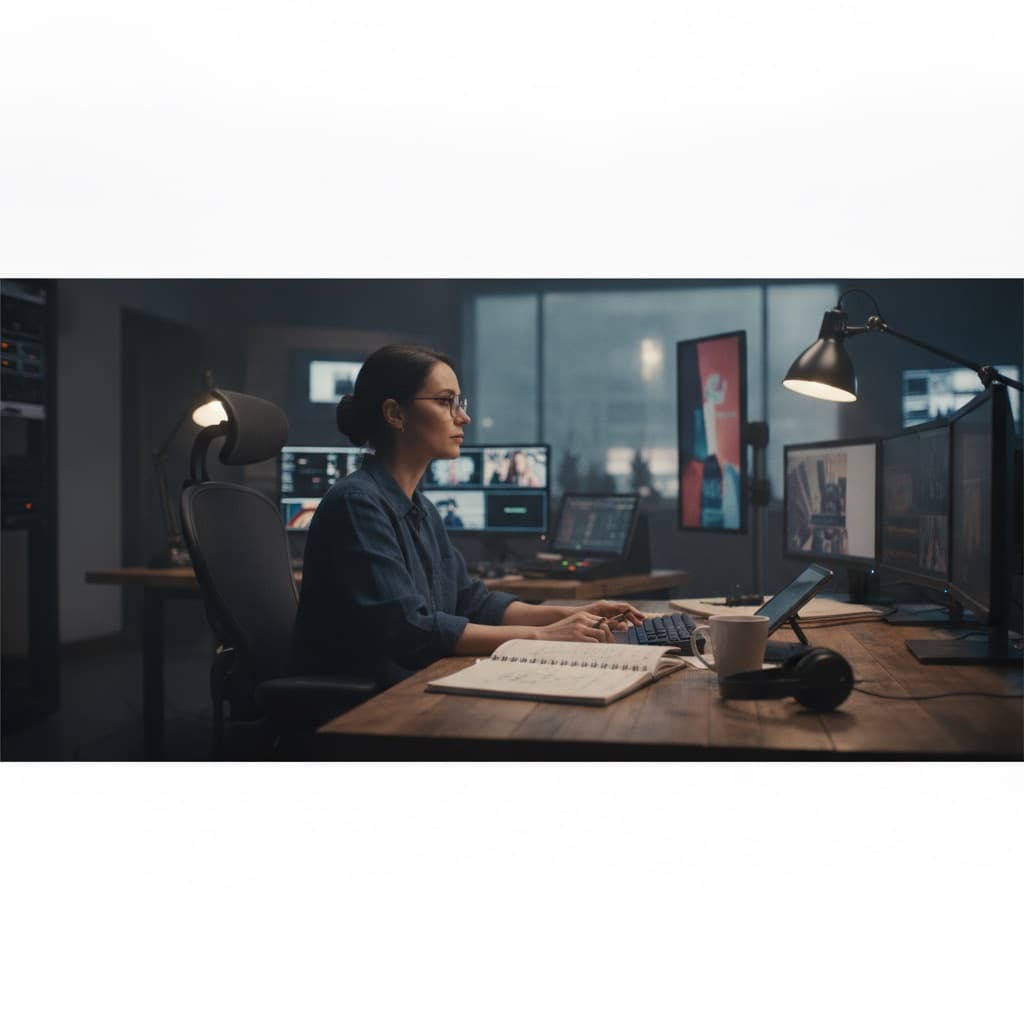
Vertical video is arriving on television, and microdramas are the reason. These are serialized stories shot in portrait orientation and cut into episodes of one to three minutes. They are built for phones and now migrating to bigger screens. Through 2025 and 2026, apps like ReelShort and DramaBox pushed the format into the mainstream. TV platforms began experimenting with feed-style interfaces and short-form rows on the home screen. For FAST channel operators, this raises a practical question: how do you program phone-native content for the living room?
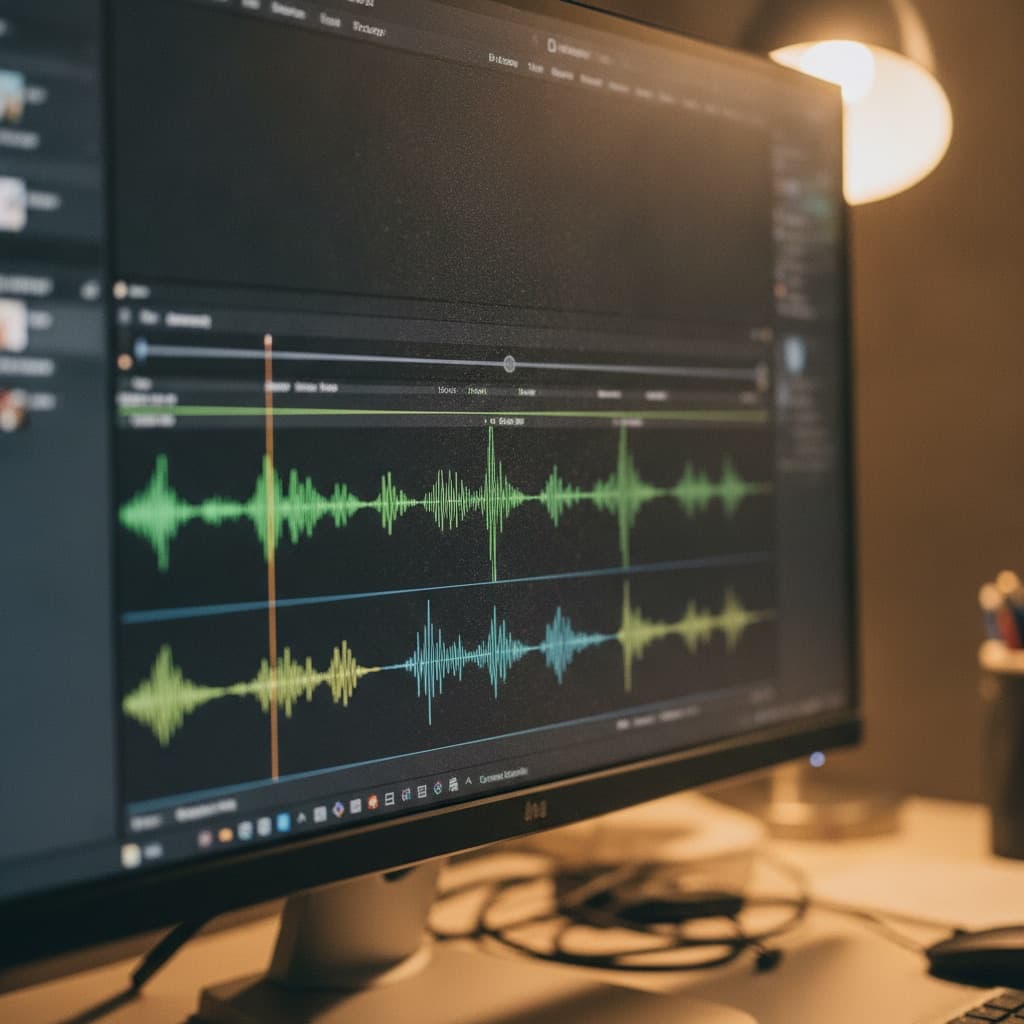
The answer is not to stretch a 9:16 video across a 16:9 screen. It is to treat vertical as its own surface with its own grammar, then connect it to your linear channel deliberately. Here is how the wave happened and what to do with it.
What are microdramas, and why did they take off?
A microdrama compresses a full melodrama arc into dozens of tiny episodes: cliffhangers every 90 seconds, plots built for gasps, production turned around in weeks. The format matured in China's short-drama industry, then crossed into Western markets through translated and locally produced catalogs on dedicated apps.
The mechanics explain the growth. Episodes fit any spare moment, the cliffhanger cadence drives compulsive next-episode taps, and per-episode unlocks or subscriptions monetize the hook directly. Production costs sit far below television norms, so studios can test dozens of series and scale only the winners. For creators, the barrier to entry is a phone and a script, not a soundstage.
The audience behavior underneath is bigger than any single app: viewers trained on TikTok, Reels, and Shorts now default to vertical, fast-cut storytelling. That habit does not switch off when they pick up the TV remote, which is exactly why the format is climbing onto televisions.
Why are TV interfaces adapting to vertical content?
Television is where the viewing hours are. Streaming took a record 47.5% of US TV viewing in December 2025, per Nielsen's The Gauge. YouTube reports that TVs are its number one device in the US. Short-form platforms and studios follow the hours, so the living room became the next front for vertical content.

The interface problem is real: a portrait video occupies roughly a third of a landscape screen. TV apps are converging on a few answers:
- Feed rows on the home screen. Short-form rails that autoplay previews, borrowed from mobile feed design.
- Pillarboxed playback with designed side panels. The vertical video centered, with generated or branded fill on the sides instead of dead black bars.
- Multi-item layouts. Some interfaces show metadata, comments, or an up-next queue beside the vertical frame, turning the leftover space into utility.
- Remote-first swiping. The flick-to-next gesture remapped to the directional pad, keeping the feed's rhythm on a ten-foot interface.
None of these is yet standard. What matters for operators is the direction. TV platforms are building surfaces where vertical content is native rather than an afterthought. Content that is ready for those surfaces gets there first.
How do you program vertical content on a linear channel?
A 24/7 channel can absolutely carry short-form and microdrama content, but linear imposes its own rules. What works:
- Block episodes into watchable chunks. Single 90-second episodes vanish inside a linear schedule. Package a season's arc into 15 to 30 minute compilation blocks, so a channel viewer gets a complete sitting.
- Solve the frame deliberately. Pillarbox with intentional side graphics, or produce a landscape master for TV while keeping the vertical cut for feeds. Never stretch or blind-crop; framing errors read as broken on a big screen. Consistency rules here are the same as for any channel; see FAST channel content requirements.
- Respect the cliffhanger cadence in scheduling. Microdrama pacing is the retention engine. Schedule blocks so arcs resolve within a daypart, and use the guide to label them as binge blocks.
- Keep formats coherent. Mixing vertical compilations, landscape documentaries, and 4:3 archive footage in one rotation feels chaotic. Format inconsistency is one of the classic FAST channel mistakes; give vertical content its own channel or its own clearly framed blocks.
- Use linear as the discovery layer. A scheduled channel surfaces serialized content to lean-back viewers who would never find it in an app store. The programming craft is the same as any 24/7 schedule: dayparts, appointment slots, rotation.
If your background is short-form social content, the adaptation path is close to the one YouTube creators follow. It is covered in converting a YouTube library into a linear channel.
The Vidiyo workflow: one library, feed and channel together
Most platforms force a choice: build for the feed or build for the channel. Vidiyo runs both surfaces, which turns vertical-plus-linear into a single workflow instead of two products.
Here is how operators use the combination:
- Publish vertical episodes to the feed. Vidiyo's vertical short-form feed is the native home for portrait episodes: swipe-through discovery, one episode at a time, phone-first.
- Program the same stories on a linear channel. Compile arcs into scheduled blocks on a 24/7 channel, with transcoding, playout, ad insertion, and program-guide generation handled by the platform. The channel plays in a web browser with no account required, plus apps on Roku, Fire TV, Apple TV, iOS, and Android.
- Let each surface do its job. The feed is discovery and habit on the phone; the channel is long-session viewing on the TV. A viewer hooked by three feed episodes has a place to watch the whole arc lean-back.
- Monetize on both. Channel ad breaks earn a revenue share. Vidiyo adds the levers native to serialized short-form: tips and gifts on live streams, paid episode unlocks, and shoppable product tags.
- Go live around the story. Live streaming with real-time chat, reactions, and gifts gives serialized creators an event layer: premieres, cast Q&As, and reveal episodes.
The whole stack is free to start, with revenue share instead of platform fees, so testing a vertical-to-TV strategy costs production time and nothing else. If linear programming is new to you, the primer is what is FAST TV.
Quick answers
Can you watch vertical video on a TV? Yes. TV apps increasingly support it through feed rows, pillarboxed playback with designed side panels, and remote-friendly swiping. Expect the interfaces to keep evolving; there is no single standard yet.
What is a microdrama? A serialized drama told in episodes of one to three minutes, shot vertically for phones, with a cliffhanger ending nearly every episode. The format grew out of China's short-drama industry and went global through 2025 and 2026.
Should vertical video be stretched to fit a TV screen? No. Stretching distorts the image and cropping destroys framing. Use intentional pillarboxing with designed side graphics, or produce a separate landscape master for TV playback.
Can a FAST channel run short-form vertical content? Yes, if you package it for linear. Compile episodes into 15 to 30 minute blocks, keep framing consistent, and schedule arcs so they resolve within a viewing session.
What's next
- Vidiyo for live streamers: phone live plus a 24/7 channel pitch
- Learn linear programming craft in 24/7 channel scheduling and playout
- Prep your files for TV with FAST channel content requirements
- Adapt a short-form catalog using converting a YouTube library to a linear channel
- Avoid format pitfalls in FAST channel mistakes
- Run the feed-plus-channel combo yourself: start free on Vidiyo
Ready to launch your TV channel?
Vidiyo handles streaming, ads in the stream, the TV guide, and apps on every screen so you can focus on programming.